
Best Time to Travel to Yosemite
When is the Best Time to Visit Yosemite National Park?
The best time to visit Yosemite National Park depends on your personal preferences. Spring and fall offer mild weather and smaller crowds, while summer provides longer days and full park access. Winter transforms the park into a snowy paradise for winter sports enthusiasts. Consider your interests and the seasonal offerings to determine the ideal time for your unforgettable Yosemite adventure.
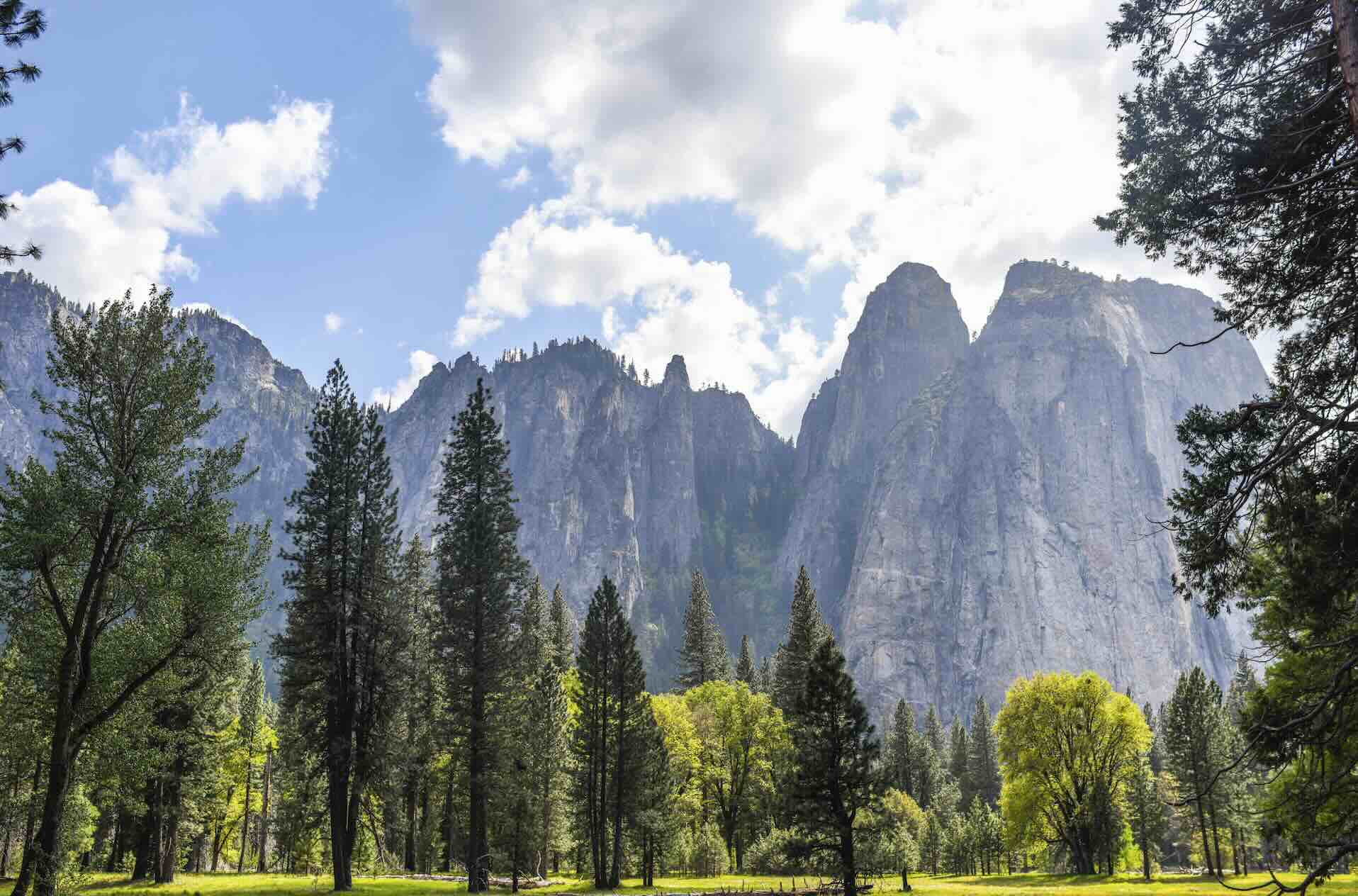
Spring (March to May)
Springtime in Yosemite brings blooming wildflowers, impressive waterfalls, and mild temperatures, making it an excellent time for hiking. Crowds are smaller than in summer, allowing for a more tranquil experience.
Summer (June to August)
Warm weather and long days make summer a popular time for visiting Yosemite. All park facilities and attractions are open, providing ample opportunities for outdoor activities. However, be prepared for larger crowds and higher temperatures.
Fall (September to November)
As temperatures cool and crowds thin, fall is a fantastic time to enjoy Yosemite’s colorful foliage and peaceful trails. Photographers will appreciate the golden hues and unique light during this season.
Winter (December to February)
Although winter in Yosemite brings colder temperatures and snow, it also transforms the park into a winter wonderland. Snow-covered landscapes and fewer visitors create a serene atmosphere, ideal for snowshoeing and skiing. Note that some park facilities and roads may have limited access or be closed during this time.
Is Yosemite Better in the Spring or Fall
Spring (April-May) is amazing for:
- Waterfalls at their peak flow from snowmelt - Yosemite Falls, Bridalveil Fall, and Vernal Fall are absolutely spectacular
- Wildflowers blooming in the meadows
- The valleys are lush and green
- However, higher elevation trails may still be snowed in, and it can be quite crowded
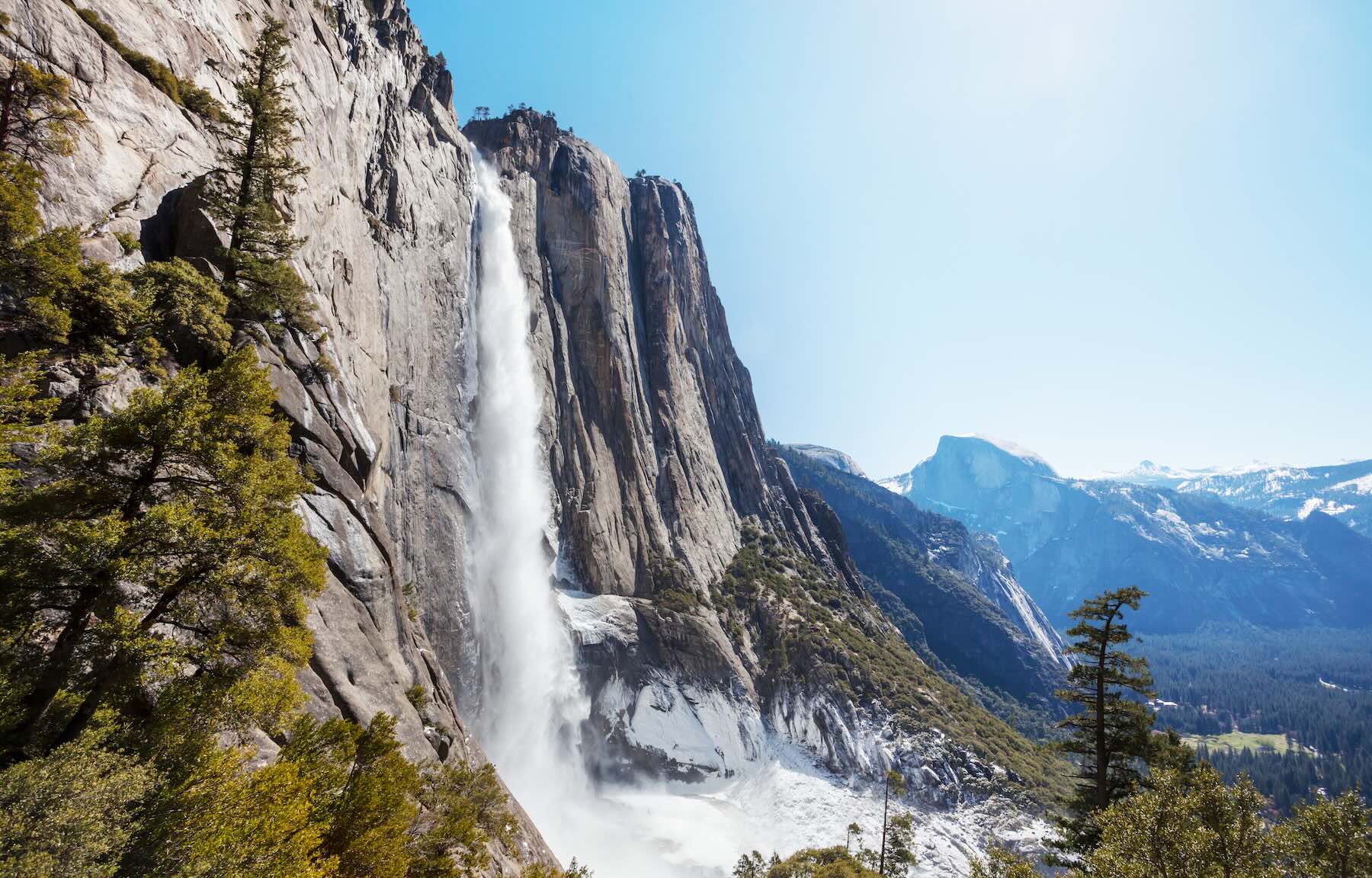
Fall (September-October) offers:
- Fewer crowds than spring and summer
- Comfortable temperatures for hiking
- Fall colors, especially in the oak and maple trees
- Most trails are accessible and dry
- Waterfalls are typically reduced to a trickle or dry (except after rain)
- Generally clearer skies and better visibility
If seeing powerful waterfalls is your priority, spring wins hands down. If you prefer quieter trails, easier hiking conditions, and don’t mind less dramatic waterfalls, fall is excellent.
One middle-ground option: late May or early June can give you decent waterfalls with slightly fewer crowds than peak spring.
The 8 Best Things to See & Do in Yosemite National Park
1) Yosemite Valley
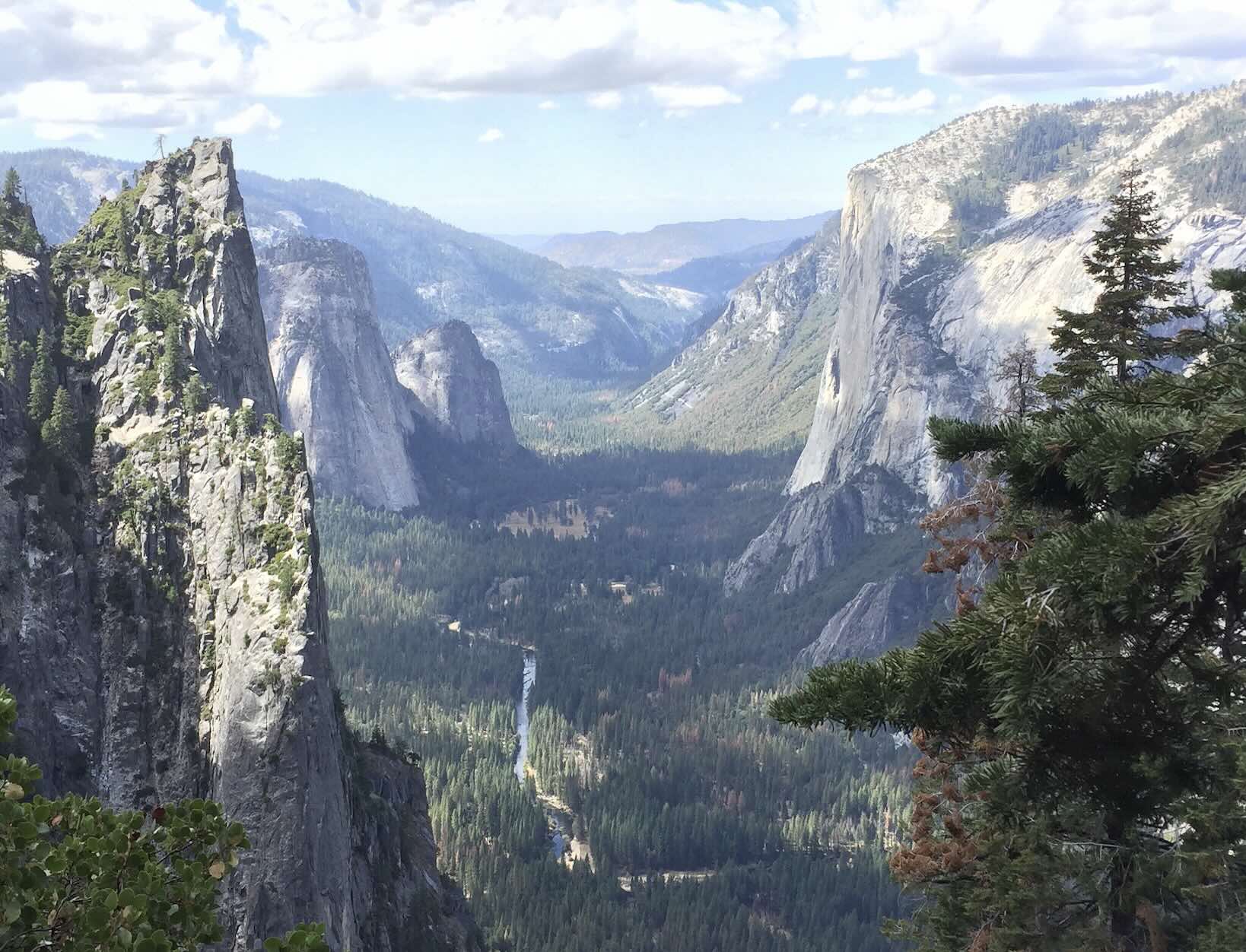
The heart of the park, featuring iconic landmarks such as El Capitan, Half Dome, and Bridalveil Fall.
2) Glacier Point
A scenic overlook offering breathtaking panoramic views of Yosemite Valley, Half Dome, and the high country.
3) Tunnel View
An unforgettable vista showcasing El Capitan, Half Dome, and Bridalveil Fall, best visited at sunset for dramatic golden hues.
4) Mariposa Grove
A majestic grove of ancient sequoia trees, some over 2,000 years old.
5) Vernal and Nevada Falls
A challenging yet rewarding hike featuring two stunning waterfalls along the Merced River.
6) Hetch Hetchy Valley
A picturesque area offering tranquil hiking trails and opportunities for fishing and kayaking.
7) Tioga Road
A scenic drive through Yosemite’s high country, passing by alpine lakes, meadows, and granite peaks.
8) Tuolumne Meadows
A pristine subalpine meadow surrounded by soaring granite domes and towering peaks.