
Death Valley National Park | A Desert of Extremes
My Guide To Death Valley National Park
by Janet Serra
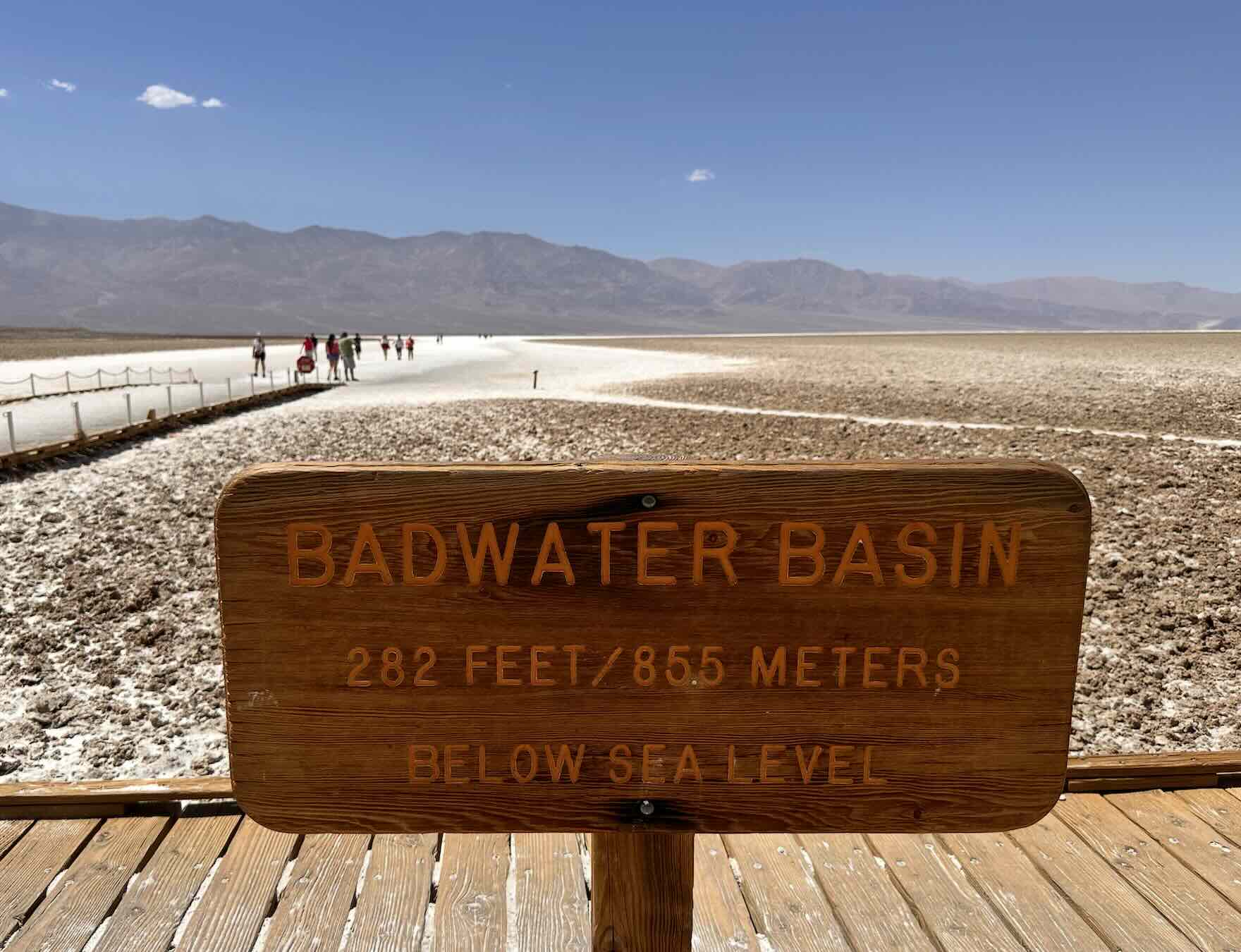
The very name—Death Valley—pulled me in. It sounded ominous, almost mythical, like a place you survive rather than visit. Spanning over 3.4 million acres, this vast landscape is famous for its dramatic extremes. It holds the title as North America’s hottest, driest, and lowest place, receiving less than two inches of rain each year and dropping to 282 feet below sea level at its lowest point.
And yet, despite everything that name implies, nearly a million visitors arrive each year—drawn by the same question that brought me here:
Can it really be that hot?
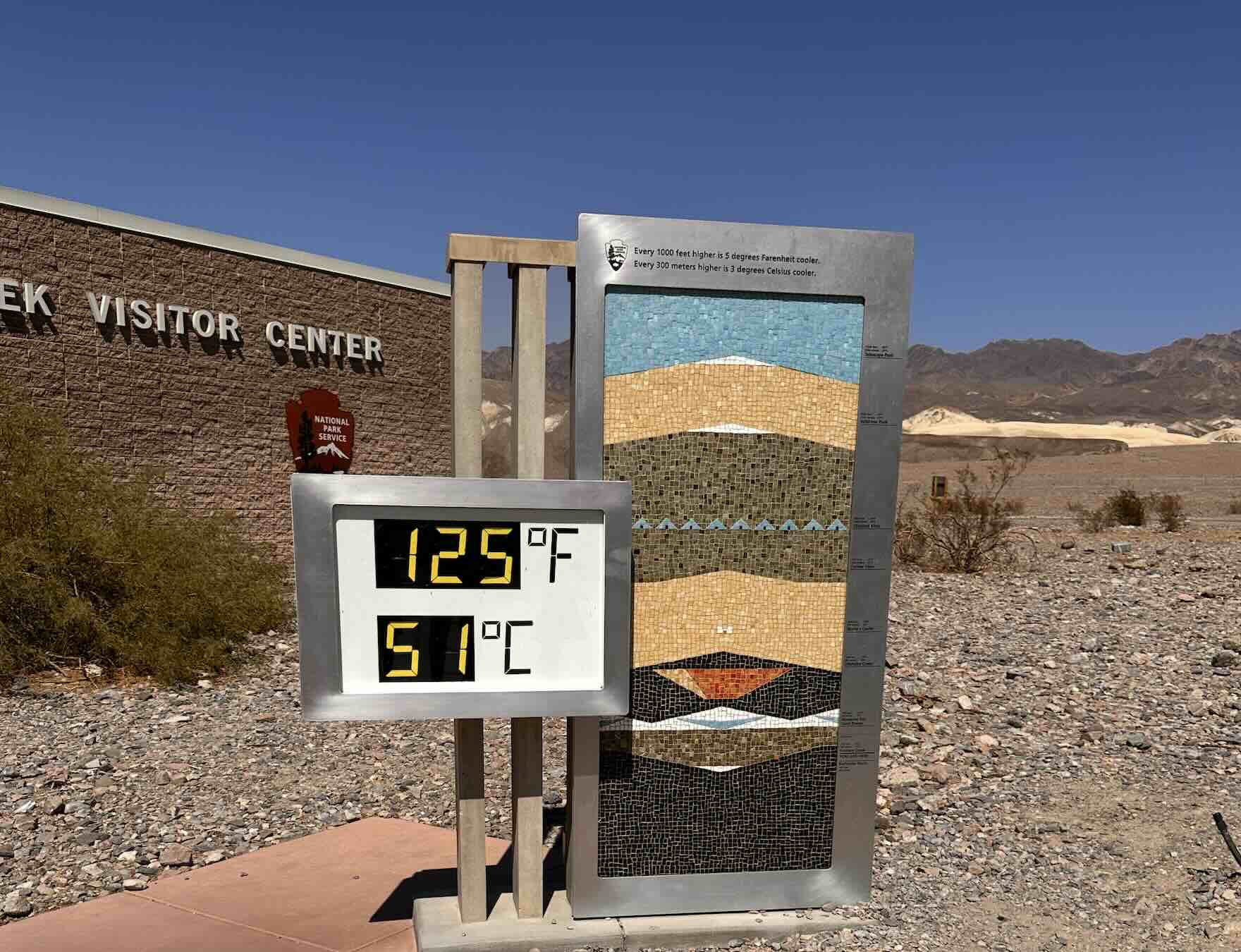
The answer hits you the moment you step out of the car. The air doesn’t just feel warm—it presses against your skin, dry and relentless, like opening an oven door and stepping inside. Think about the Thanksgiving Day turkey in the oven and you might get the idea! There’s no relief in the breeze; it only shifts the heat around. The sun feels closer here, sharper somehow, as it bounces off endless stretches of salt flats and sand. But what’s surprising is not just the heat—it’s the beauty.
Death Valley was “discovered” in 1849 when prospectors bound for California’s gold fields strayed into the 120-mile-long basin, enduring a two-month ordeal of hunger and thirst and the overwhelming silence of this desolate area. As the story goes, one of the last men to leave said, “Good-bye, Death Valley,” and the nickname stuck.
The moniker, Death Valley, suggests emptiness. I found that the reality is far more complex. Geologically, the valley is a graben—a vast, sunken fragment of the Earth’s crust. Within it lies a world sculpted by time: richly tinted mudstone hills, luminous sand dunes, rugged canyons, and a 200-square-mile salt pan that gleams under the desert sun. Towering above it all are mountains that create one of the greatest vertical rises in North America. The landscape is simply stunning.
And in certain years, after rare spring rains, the valley transforms completely—wildflowers bloom, scattering color across an otherwise stark terrain. More than a thousand plant species have adapted to survive here, proof that even the harshest environments hold space for life. I thought, how amazing it would be to see that, alas, on my visits to Death Valley, it never rained.
Long before modern visitors arrived, Native peoples—most recently the Shoshone—thrived in this landscape, adapting with remarkable ingenuity. Evidence of human presence stretches back at least 9,000 years, etched into rock and memory. Today, a small community of tribal members resides in the Timbisha Shoshone Indian Village within the park near Furnace Creek.
Later, in the late 19th century, wagon teams hauled white borax across the desert from mines now long abandoned. Those journeys helped spread word of Death Valley’s stark beauty, deep solitude, and crystalline air—drawing curiosity seekers ever since.
One of the most important things I discovered when visiting is that Death Valley is anything but lifeless.
Waves of golden dunes ripple across the desert floor. Jagged mountains rise dramatically in the distance, their colors shifting from rusty red to soft lavender as the light changes. Salt flats stretch out like frozen lakes, cracked into intricate patterns that seem almost deliberate, like nature’s own mosaic.
In this harsh environment, life persists in quiet, resilient ways. Small plants cling to existence, blooming only when rare rains arrive. Wildlife emerges in the cooler hours—coyotes, foxes, and bighorn sheep navigating a world that seems, at first glance, uninhabitable.
My favorite time of day is when the sun begins to set, and the valley transforms. At dusk, the brutal heat softens, shadows stretch long across the, and the sky erupts into color—deep oranges, fiery reds, and finally a velvet darkness. With almost no light pollution, the night sky becomes a spectacle of its own, overflowing with stars that feel close enough to touch.
As I stood in there, in the silence, the name Death Valley started to feel misleading. Yes, it’s a place of extremes—of heat, dryness, and low elevation—but it’s also a place of unexpected wonder. It challenges you, humbles you, and then rewards you with something unforgettable.
So, can it really be that hot? Yes.
But that’s only part of the story.
Yosemite National Park and the Wild Wonders of California
Iconic Landmarks
Having visited Death Valley several times, the landmarks listed below define Death Valley and shouldn’t be missed.
Badwater Basin: Stand at 282 feet below sea level, the lowest point in North America. The vast salt flats stretch endlessly, forming geometric patterns that look alien—especially at sunrise or sunset. Badwater Basin is one of the most visited places in Death Valley.
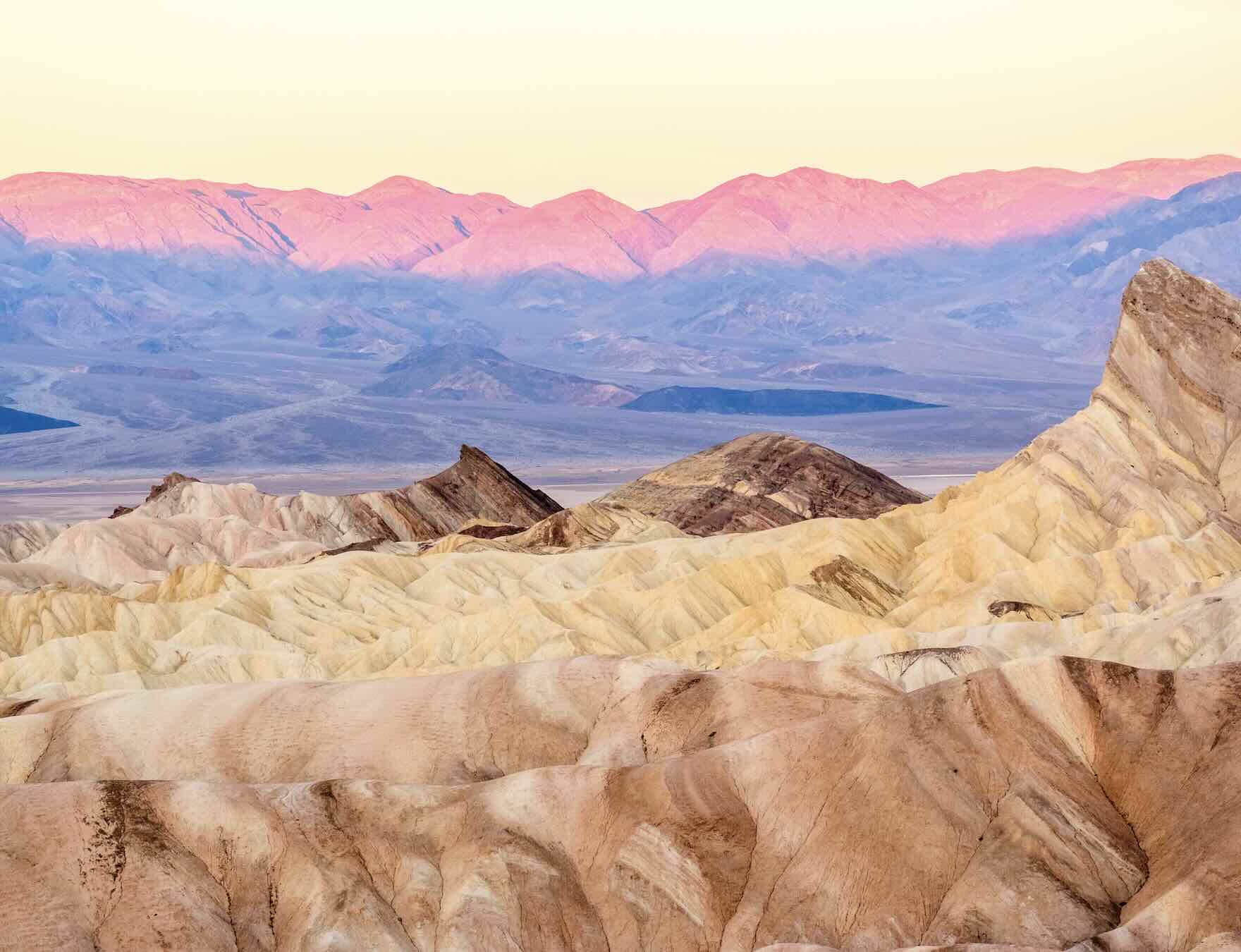
Zabriskie Point: One of the park’s most photographed viewpoints. The golden, wave-like badlands glow in early morning light, making this a must for sunrise seekers.
Dante’s View: For a breathtaking perspective, head high above the valley floor. From over 5,500 feet up, you’ll see the entire basin unfurl below you—an unforgettable panorama.
Mesquite Flat Sand Dunes: Rolling dunes that invite you to roam freely. Go at sunrise or sunset for cooler temps and dramatic shadows.
Devil’s Golf Course: A jagged field of salt formations so rough “only the devil could play golf on it.” Strange, stark, and worth a quick stop.
Golden Canyon & Red Cathedral: A relatively accessible hike through glowing rock walls that shift from gold to deep red.
Rhyolite Ghost Town: Just outside the park, this abandoned mining town blends crumbling ruins with modern desert art installations—eerily beautiful and completely unique.
Death Valley isn’t just a destination—it’s an experience that lingers long after you leave. From its sweeping salt flats to its dramatic sunsets and haunting silence, every corner tells a story of resilience and raw beauty. If you’re seeking a place that challenges your perspective and rewards you with unforgettable moments, Death Valley with Tours of Distinction delivers in ways few landscapes can.
Death Valley Safety Tips
Death Valley isn’t just a destination—it’s an experience. Vast, silent, and strikingly beautiful, it invites exploration with its sweeping dunes, colorful badlands, and endless horizons. But beneath that beauty lies one of the most extreme environments on Earth. Preparation isn’t optional—it’s essential.
Here’s how to enjoy Death Valley safely, so the only thing you take home is the awe.
Hydration Is Everything - Bring More Than You Think
The dry desert air and intense heat pull moisture from your body faster than you realize. By the time you feel thirsty, you’re already behind.
- Carry more water than seems reasonable—seriously
- Aim for at least one gallon per person per day
- Keep extra water in your vehicle in case of delays or emergencies
Dehydration can sneak up quickly in Death Valley, and it’s one of the most common dangers visitors face.
Time Your Adventures Wisely
The desert transforms throughout the day—but midday is not your friend.
- Avoid hiking between late morning and early evening
- Plan outdoor activities for sunrise or sunset
- Use the hottest hours for driving or resting
Temperatures can soar to dangerous levels, especially in summer, turning a short hike into a serious risk.
Stay Informed Before You Explore
Conditions in Death Valley can change rapidly due to heat, flash floods, or road closures.
- Stop at a visitor center before heading out
- Ask about current conditions, road accessibility, and weather alerts
- Follow ranger advice—they know the terrain better than anyone
A quick check-in can save you from unexpected hazards and help you make the most of your visit.
Fuel Up - Distances Are Deceptive
Death Valley’s vastness is part of its magic—but also its challenge.
- Keep your gas tank as full as possible
- Don’t assume the next stop is just around the corner—it often isn’t
- Services are limited and far apart
Running out of gas here isn’t just inconvenient—it can quickly become dangerous.
Respect the Extremes
Death Valley rewards those who respect it. It’s not about fear—it’s about awareness. Prepare well, pace yourself, and stay alert. Do that, and you’ll discover a landscape that feels almost otherworldly—raw, humbling, and unforgettable.
Because in Death Valley National Park, the beauty is real…but so is the risk.
The Best Time to Visit Death Valley National Park
October - April
Ultimately, this is the best window to visit Death Valley, with a few sweet spots within that range:
Peak Season: November - March
These months are the most comfortable time to visit Death Valley. Daytime temperatures are mild (60s–70s°F), nights can be chilly or even frosty, and crowds are manageable. January can be a a great month for hikers.
Best Overall: October - March/April
Shoulder season offers a great balance — warm but not dangerous, and if winter rains cooperated, spring wildflowers (February–April) can be spectacular. The “super bloom” phenomenon occasionally happens after a wet winter.
Avoid: May - September
Summer in Death Valley is genuinely dangerous. Temperatures regularly exceed 120°F (49°C) — the park holds the world record for hottest air temperature ever recorded (134°F/56.7°C). Hiking midday can be fatal. If you must visit in summer, stick to early dawn and stay near your car with water.